
How I Care For My Plants
- greenhouse Cafe
- Nov 17, 2023
- 4 min read

Updated: Nov 20, 2023

There are many ways to care for your plants and as you get more familiar with them, you are likely to find your own care tricks. Today, I will share some of my plant care tips to help you on your journey.

You must remember, that specific plants have unique requirements, so it's always a good idea to research the specific needs of each plant you have. If you don't know what plant it is, this is the age of technology, use Google images or a plant app to help you identify your plants and understand their unique needs.*
Be patient with yourself and your plants. Sometimes they need time to adjust to their new environment or recover from some stress. Don't be discouraged if you encounter difficulties or even unalive a plant. Learning how to care for plants is a process, and it's perfectly normal to have some trial and error along the way.
So here goes, these are the areas I pay attention to!
Light

Plants require appropriate lighting to grow and develop. Understanding their light requirements is crucial. Consider factors such as light intensity, duration of exposure, quality of light, distance from the light source, and the kind of light being used when assessing your space. These considerations help ensure that your plants thrive.
Watering

Watering is very important. Different plants have different water needs. Understand how much water a plant actually needs. Some like to dry out between waterings, while others prefer consistently moist soil. Always water thoroughly, but don't let the plants sit in water for extended periods. Also ensure that your pots have sufficient drainage holes that will allow water to drain.
Soil

Plants have varying preferences for soil types based on their native environments. Potting your plants in a soil mixtures that mimic these environments, increases the chances of your plant growing well and thriving. Always ensure that regardless of what potting mix you use, that your soil is well draining.
Humidity

Creating the ideal environment for your plants include understanding plant preferences when it comes to humidity levels. For instance, ferns and orchids thrive in high-humidity environments, while succulents and cacti prefer drier conditions. To prevent humidity related problems, it's important to accommodate your plants' specific requirements. You can adjust the humidity levels to create either a drier or moist environment, depending on the plant's needs.
Potting

When initially potting a plant, select a pot that allows for root growth, but do not over pot. Ensure the pot has drainage holes at the bottom. This prevents waterlogging, which can lead to root rot. If you're using a decorative container without drainage holes, consider using a liner pot with drainage and emptying excess water after watering.
Repotting

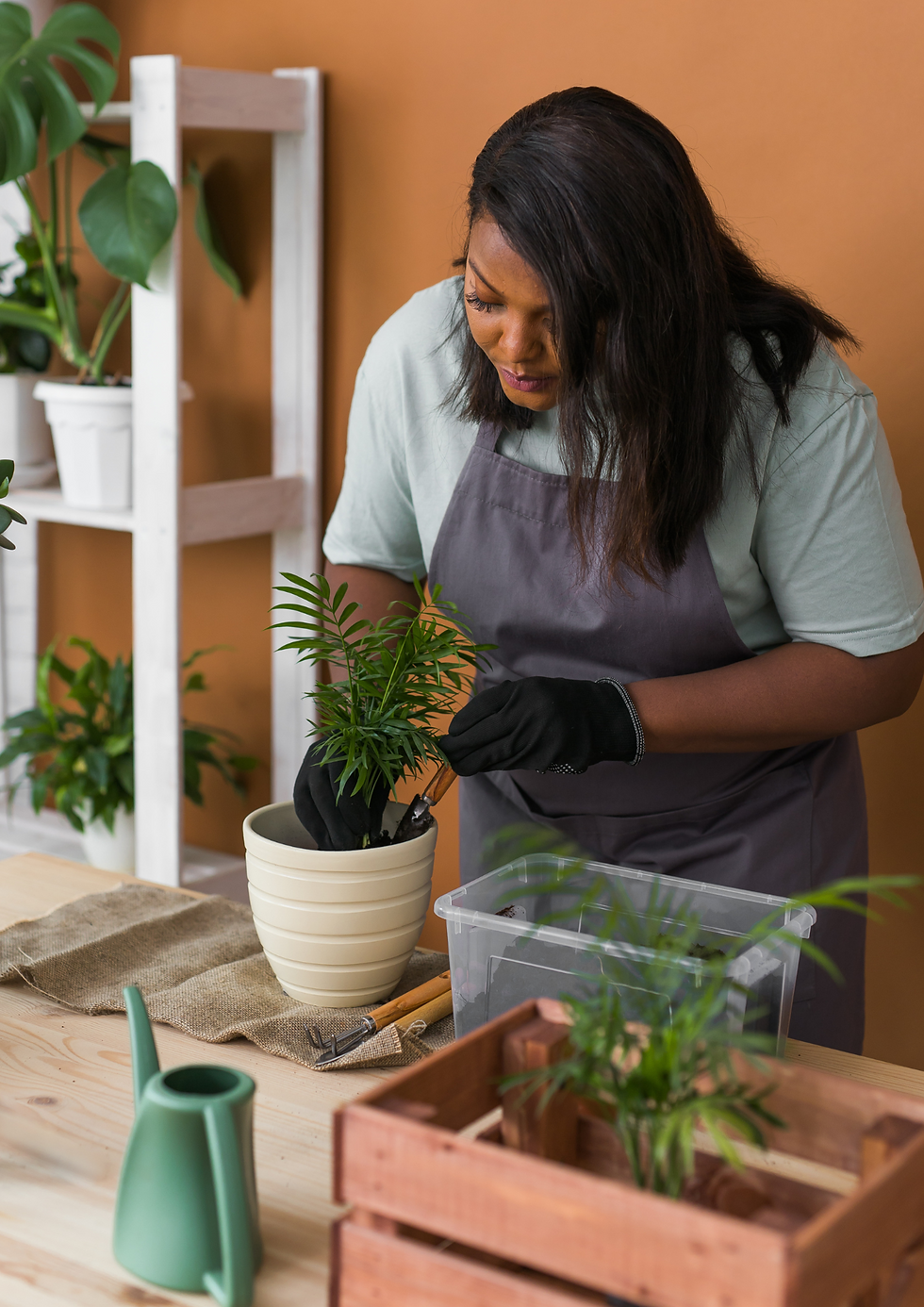
Repotting a plant can help it thrive by providing more space for roots to grow and ensuring it has fresh, nutrient-rich soil. Most plants will require a thorough watering after repotting. Allow excess water to drain out of the bottom. This helps settle the soil around the roots.
Temperature

It's important to take into account the temperature preferences of your plants. Some plants are tolerant to high heat and humidity, while others need lower temperatures to grow and flourish. Knowing the specific temperature ranges in which your plants thrive can help you develop a conducive growing environment.
Fertilizing

Potted plants are confined to a limited space, which means they have limited access to natural nutrients from the ground. Fertilizing replenishes these essential nutrients, ensuring the plant has what it needs to thrive. Be careful not to over-fertilize, as this can harm the plant.
Pruning

Pruning is an important component of plant maintenance that involves selectively removing dead or yellowing leaves, spent flowers or branches. Pruning promotes new growth and prevents the spread of diseases. By performing proper pruning techniques, plants can benefit from improved health, appearance, and overall productivity. When performing maintenance, use clean and sharp tools to avoid causing stress to the plant.
Support & Staking

Some plants, especially tall or vining ones, may need support to prevent breakage, root damage and soil compaction. Supports and stakes provide the necessary structural support that allows plants to focus their energy on healthy growth, leading to stronger, more vibrant, more productive plants and overall helps plants reach their full potential.
Pest Control

Keep an eye out for pests like aphids, spider mites, and mealybugs. If you notice an infestation, treat the plant promptly. Different pests require different treatment so do some research about what options are available.
Rotate

To promote even growth and prevent your plants from leaning or stretching towards a light source, it's a good idea to rotate them on a regular basis. This simple practice guarantees that all parts of the plant receive adequate sunlight, resulting in a more balanced and visually appealing appearance.
Avoid Stress

Proper plant care is necessary to prevent stress, which may be caused by a lack of understanding the plant's needs. Environmental changes, lack of acclimation, transplant shock and physical damage are also known stress factors. While there are other considerations to keep in mind, these are some of the most common causes of plant stress.
Observation

Observation, observation, observation!!! Personally I think this is key to successful plant care. Pay attention and take action once you have observed a problem developing. If plants start to look unhealthy, investigate the issue and take appropriate action. Several plant problems can create similar symptoms, so you may sometimes have to treat them repeatedly or differently if they do not immediately respond.
Conclusion

Nurturing plants is a fulfilling journey that rewards us with the beauty of nature thriving in our homes. By understanding their unique needs, providing proper lighting, water, nutrients, and being mindful of their environment, one can create a flourishing garden or indoor oasis. Remember, each plant is a living entity, and like any relationship, it requires attention and care. So, take the time to observe, learn, and adjust your care routine as needed.
As you embark on your plant-care adventure, don't be discouraged by occasional setbacks. They are learning experiences that deepen your understanding of your green companions. And always remember, the joy of watching a plant grow and thrive is a testament to your nurturing touch.
So, whether you're a seasoned green thumb or just starting out, let your love for plants be your guide. Your efforts will be rewarded with a home filled with lush, vibrant life. Successful gardening often involves a bit of trial and error. Stay patient and observant, and your plants will thank you with their lush growth and vibrant blooms.
*The use of Google Images or a plant app are not always correct and you may need to do further research into IDing your plant.


Comments